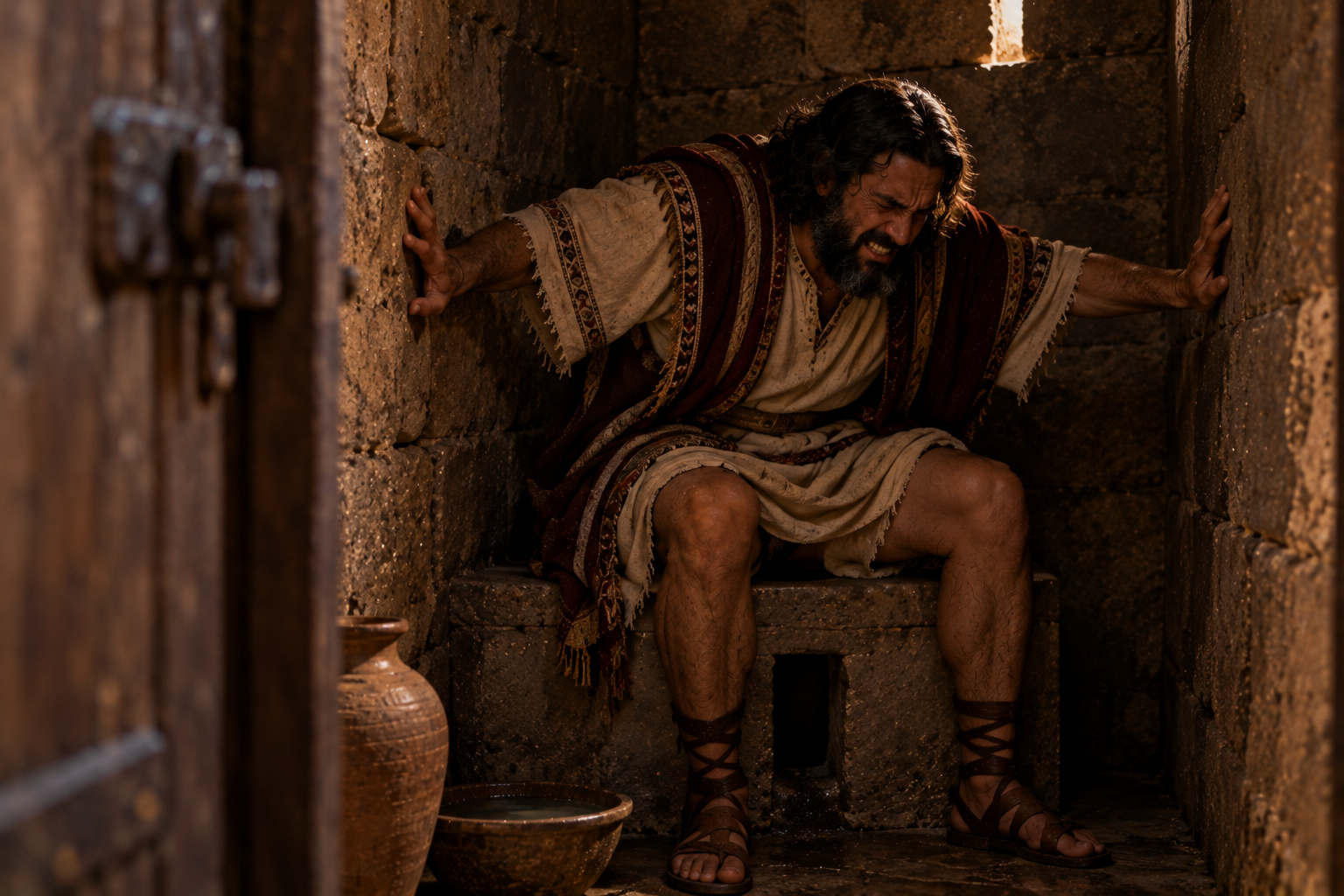
Ancient Jerusalem's Toilets Reveal Dysentery and Disease in the Kingdom of Judah
What can 2,700-year-old toilets tell us about life in biblical Jerusalem? Piers Mitchell explains how sediment from two elite Judahite latrines revealed Giardia and other intestinal parasites, offering a surprising glimpse into disease, sanitation, and everyday life in the Kingdom of Judah.
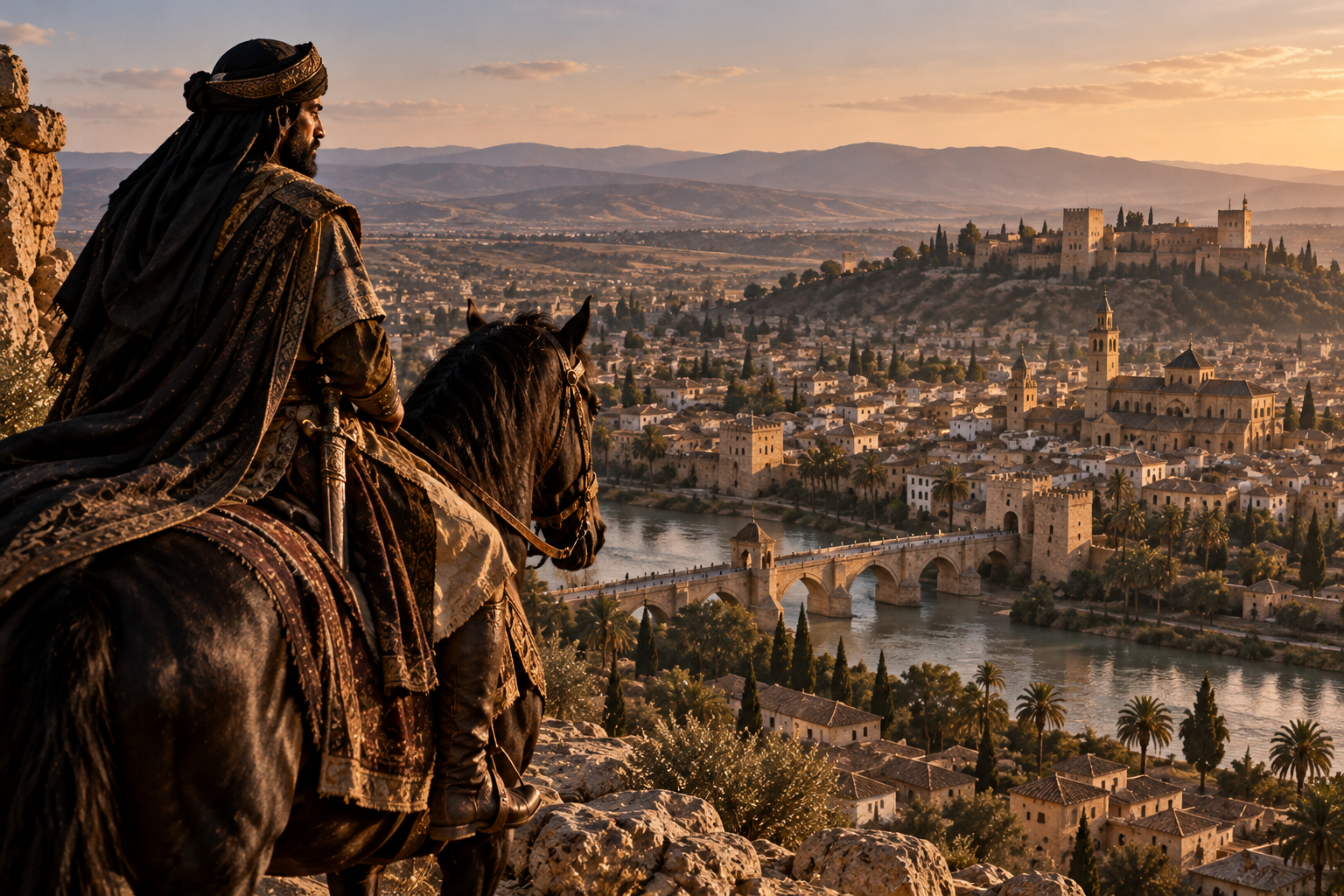
The Wolf King of al-Andalus: How Ibn Mardanish Defied the Almohad Caliphate
Why did a Muslim ruler ally with Christian kings to resist another Muslim empire? Historian Abigail Krasner Balbale explores the remarkable reign of Ibn Mardanish, the Wolf King of al-Andalus, and his struggle against the Almohads in 12th-century Spain.
Ashkenazi Jewish Origins: What DNA from a Medieval Cemetery in Germany Reveals
Where did Ashkenazi Jews come from? Geneticist Shai Waldman explores DNA recovered from a medieval Jewish cemetery in Erfurt, Germany, revealing remarkable genetic continuity, ancient founder effects, and new clues about the origins of Europe's Ashkenazi communities.
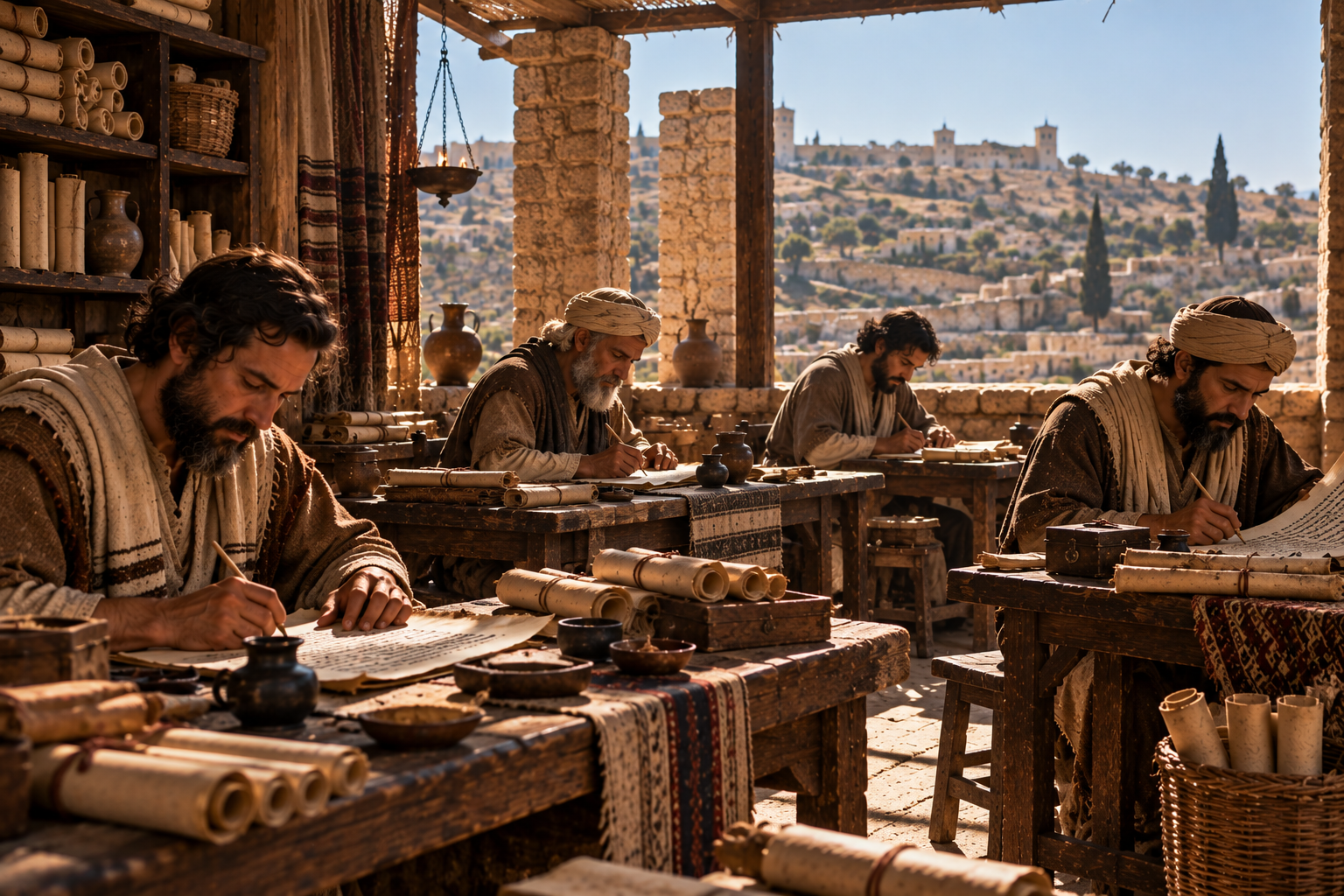
How Was the Bible Written? The Hidden Literary Artistry of Biblical Hebrew
Was the Hebrew Bible written to be heard rather than silently read? Professor Gary Rendsburg reveals the wordplay, deliberate grammatical surprises, and literary artistry hidden in Genesis, Samuel, Job, and Proverbs—and explains what they suggest about the Bible's ancient authors.
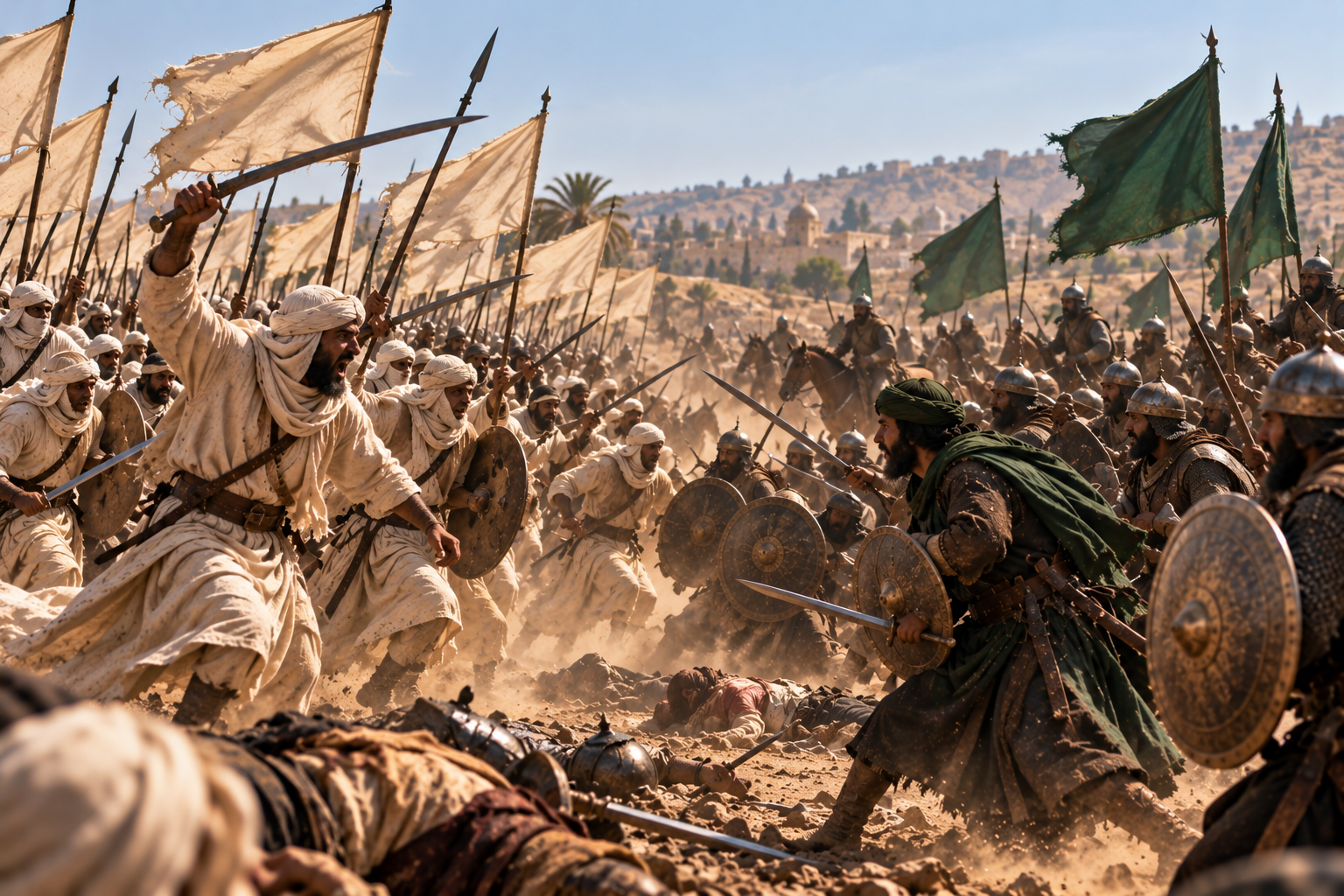
Who Were the Kharijites? The Rebels Who Challenged Islam's First Caliphs
Who were the Kharijites, and why did they become Islam's most notorious rebels? Historian Hannah-Lena Hagemann explores their origins during the First Fitna, their conflict with Ali and Muawiyah, and how later historians transformed them into enduring symbols of religious extremism.
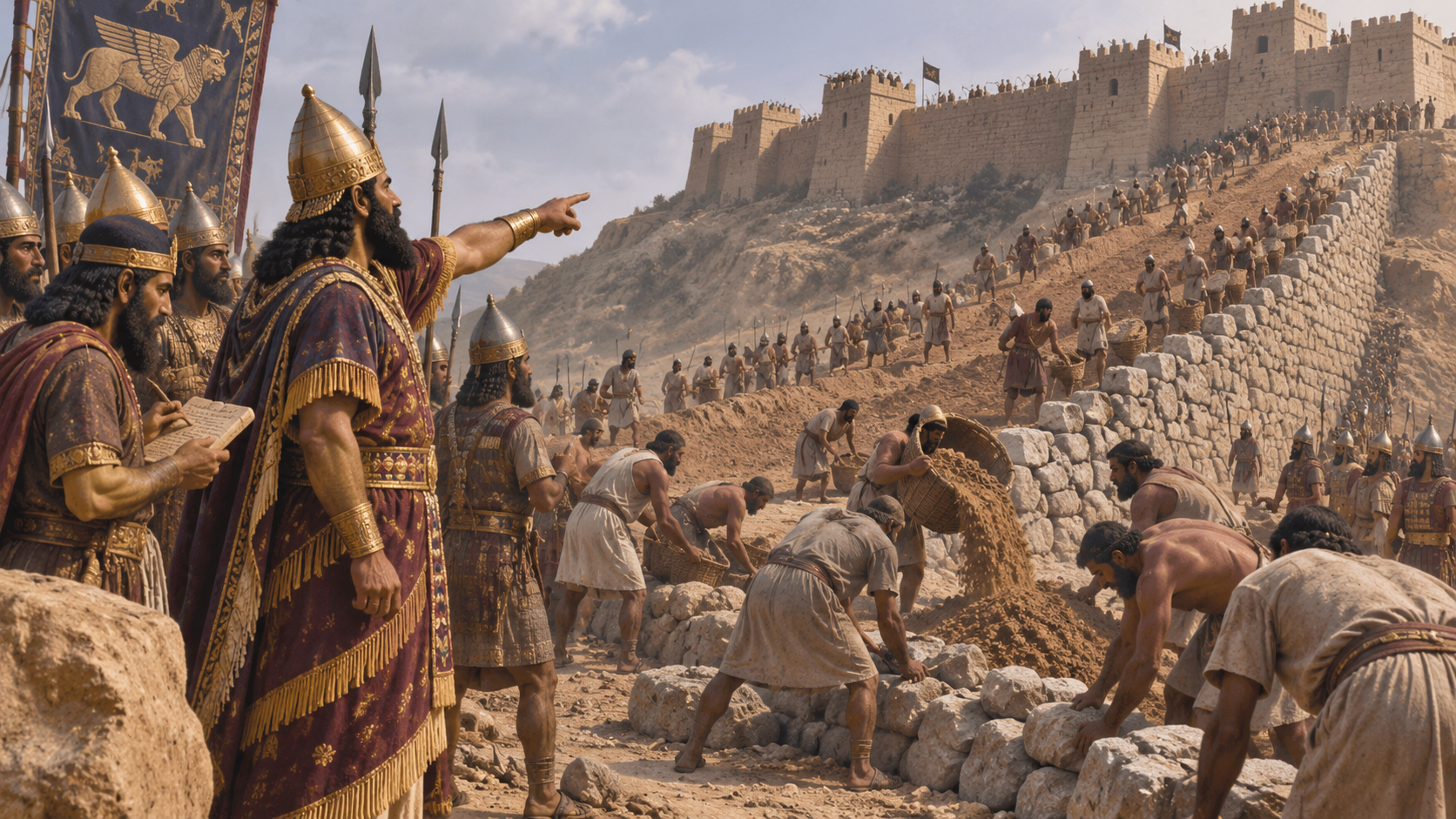
The Assyrian Siege of Lachish: How Sennacherib's Army Conquered Judah in 701 BCE
In 701 BCE, Sennacherib's Assyrian army besieged Lachish, one of ancient Judah's most important cities. Archaeologist Yosef Garfinkel explains how millions of stones, thousands of laborers, and advanced siege technology may have brought down its defenses in less than a month.
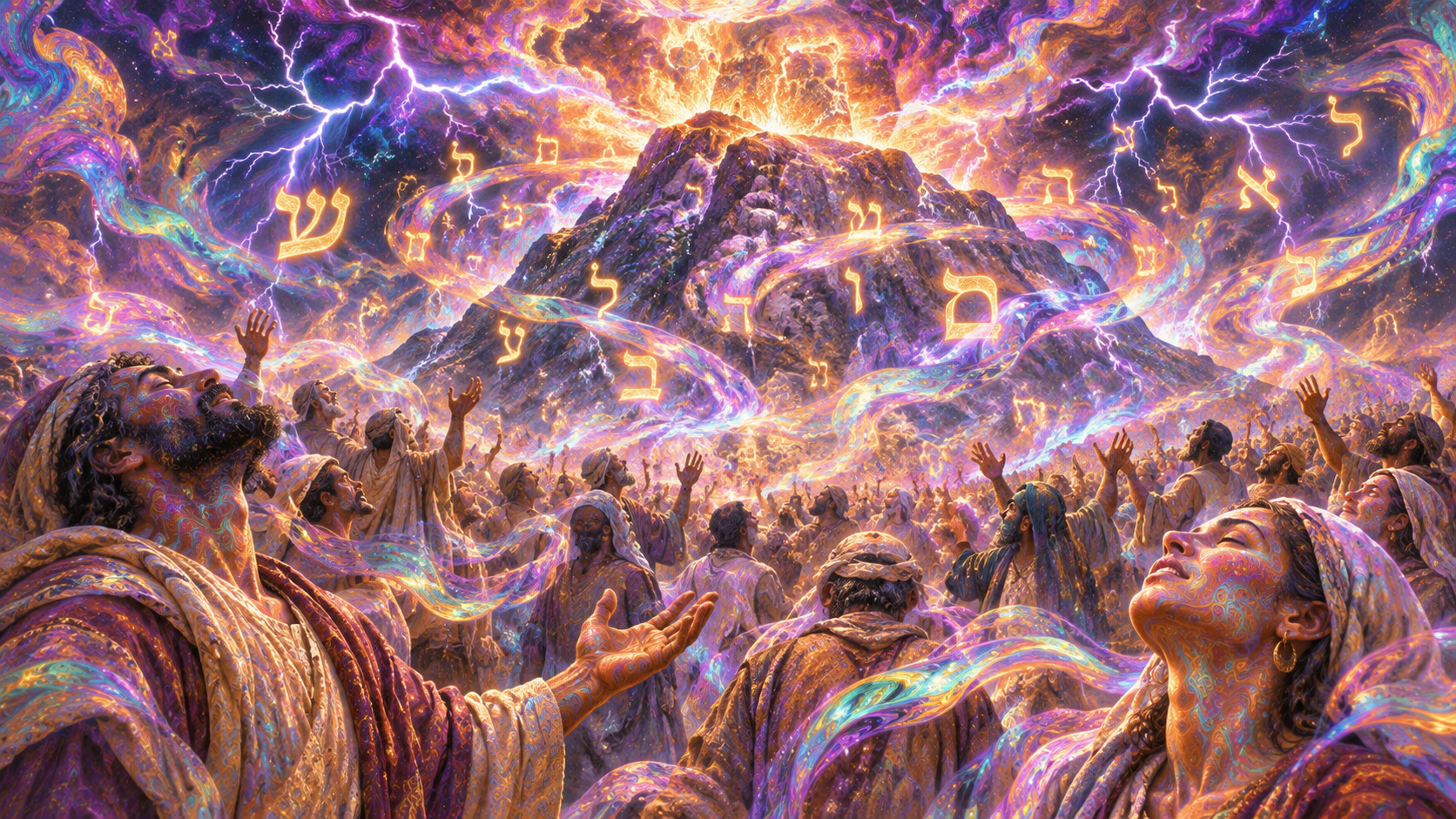
Did God Write the Torah? Moses, Revelation at Sinai, and the Human Role in Scripture
Did God dictate the Torah to Moses, or did human beings help shape divine revelation? Biblical scholar Benjamin Sommer explores the Documentary Hypothesis, the mysterious sounds of Mount Sinai, Maimonides, and the possibility that revelation requires human interpretation.
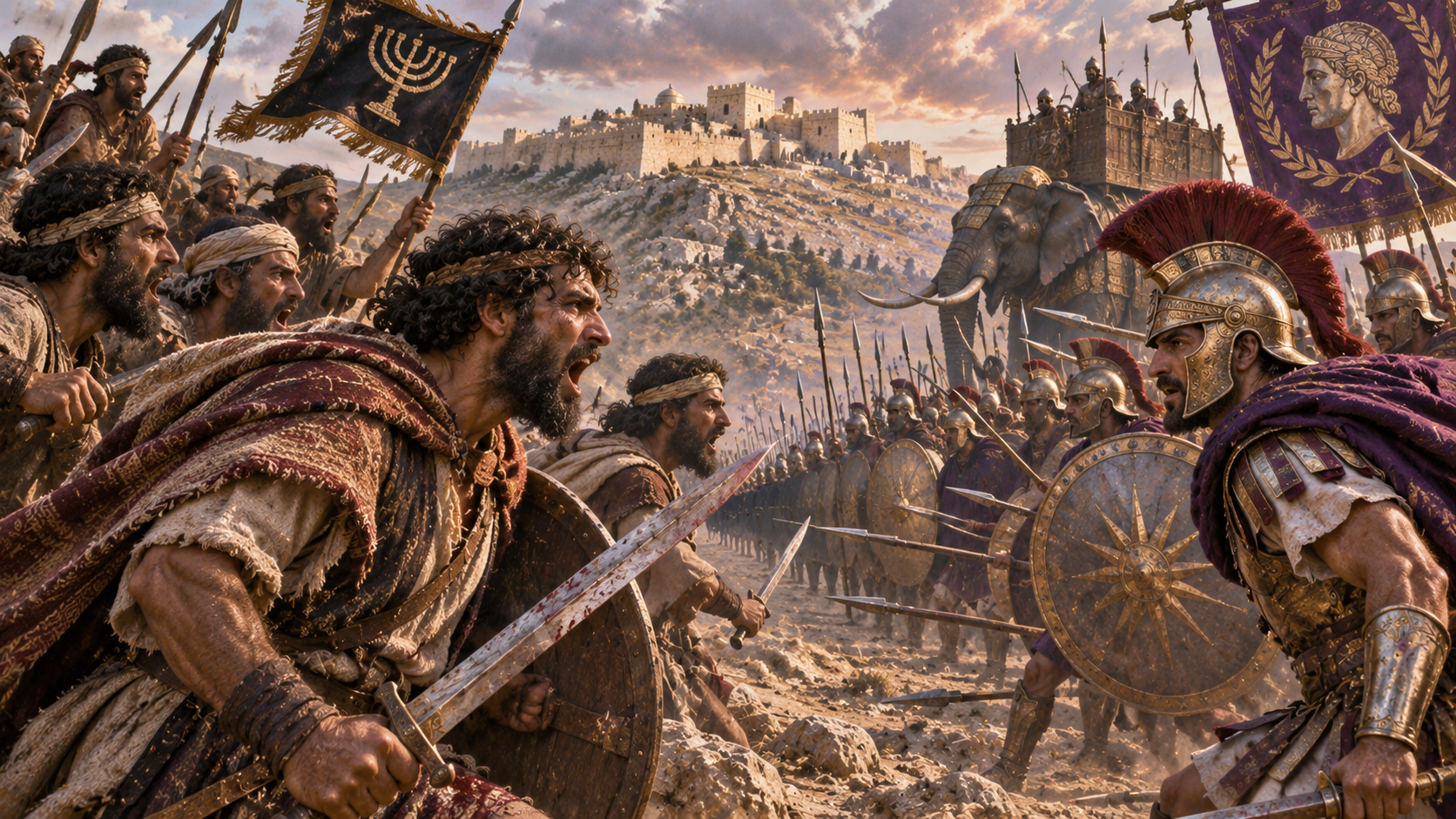
The Maccabean Revolt: How Archaeology Is Rewriting the Rise of the Hasmonean Kingdom
Did Judah Maccabee really establish an independent Jewish kingdom? Archaeologist Andrea Berlin explores how the Maccabean Revolt became a Hasmonean dynasty, revealing the role of Seleucid civil wars, John Hyrcanus, archaeological discoveries, and the political ambitions behind 1 Maccabees.
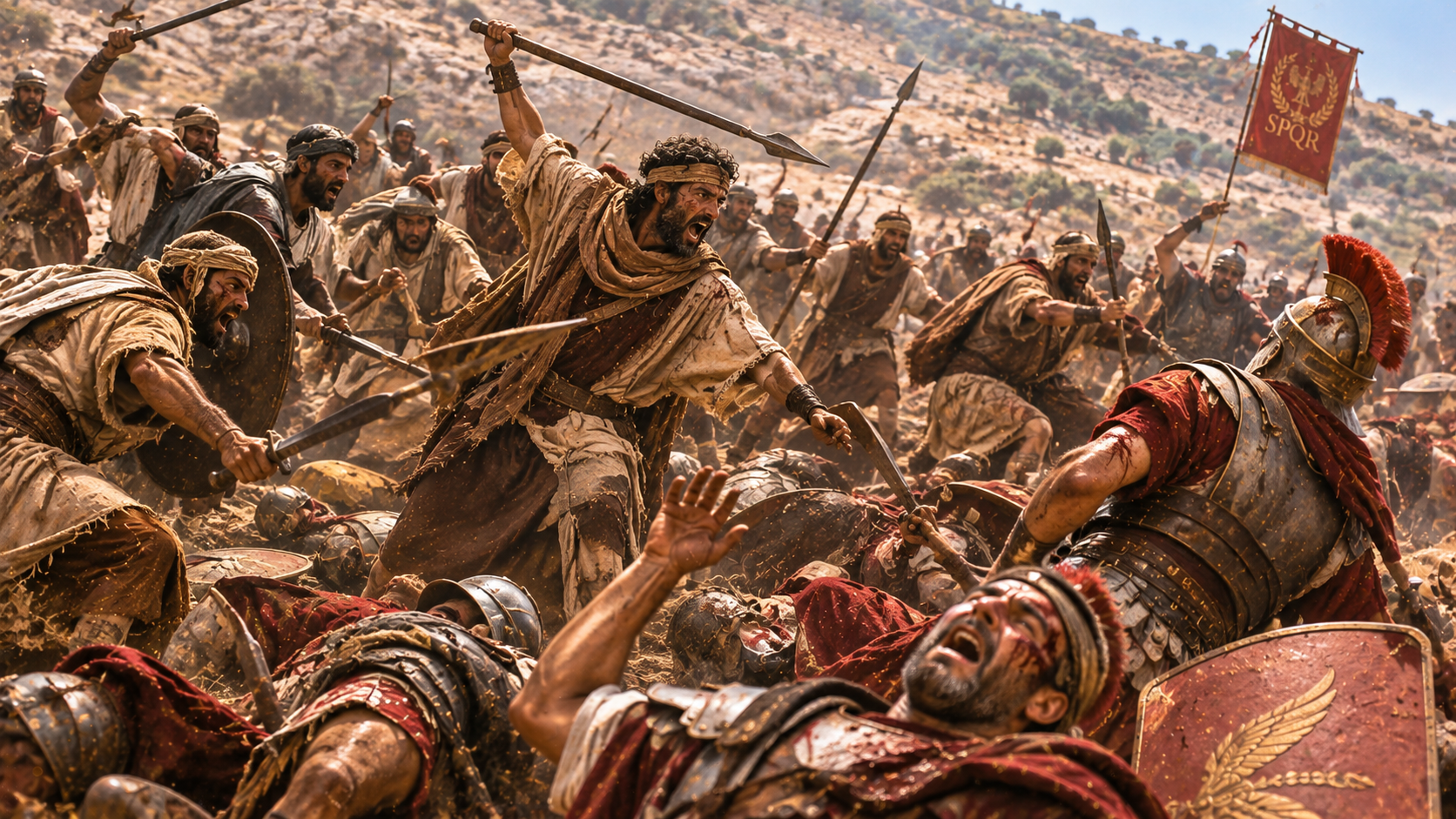
The Bar Kokhba Revolt: What Archaeology Reveals About the Jewish War Against Rome
How did Jewish rebels challenge the Roman Empire in 132 CE? Archaeologist Boaz Zissu examines the Bar Kokhba Revolt through underground tunnels, rebel coins, ancient letters, and refuge caves—revealing a sophisticated resistance movement and its devastating defeat.
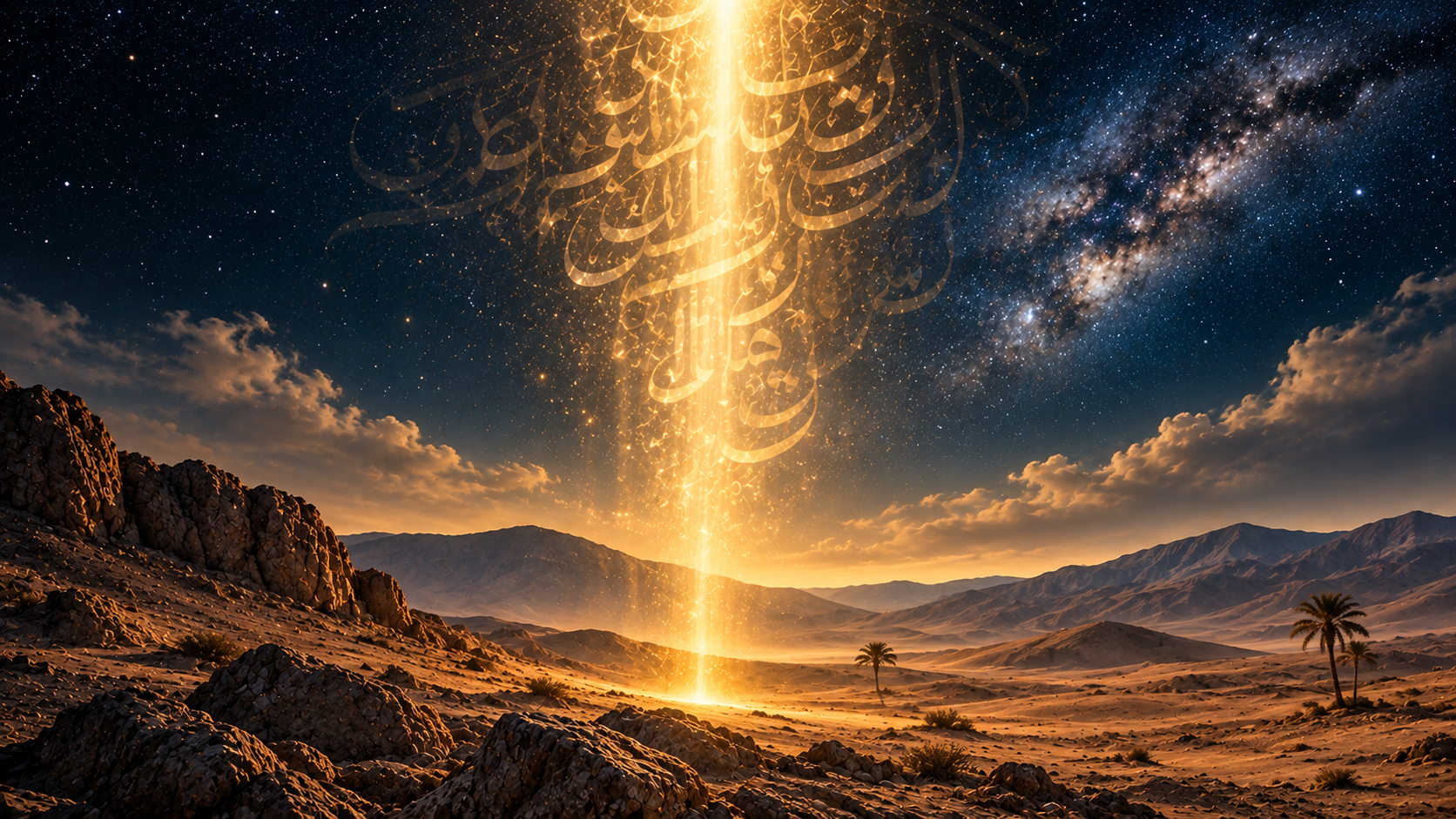
How Was the Quran Revealed? Khalil Andani on Divine Speech, Inspiration, and Islamic Theology
Did Muhammad receive the Quran through word-for-word dictation, or did he translate divine inspiration into Arabic? Islamic studies scholar Khalil Andani explores competing Sunni and Shiʿi theories of revelation, the Quran's oral origins, and the historical debate over God's speech.
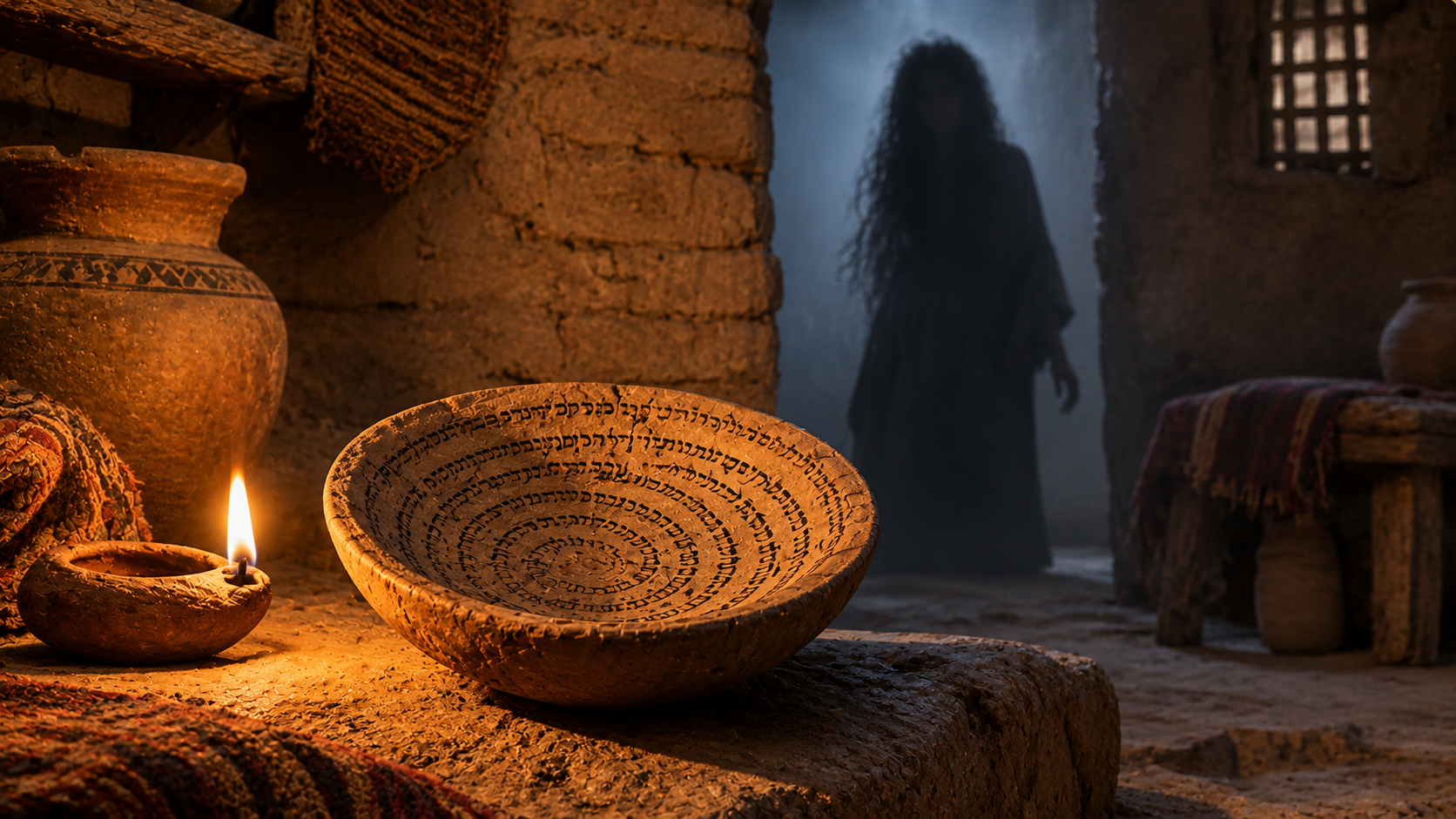
Lilith in Jewish Mythology: How Ancient Jews Used Magic to Divorce Demons
Why did ancient Jews write divorce documents to demons? Scholar Gideon Bohak explores Lilith, Babylonian incantation bowls, and a remarkable manuscript from the Cairo Geniza that preserves a magical formula transmitted across centuries.
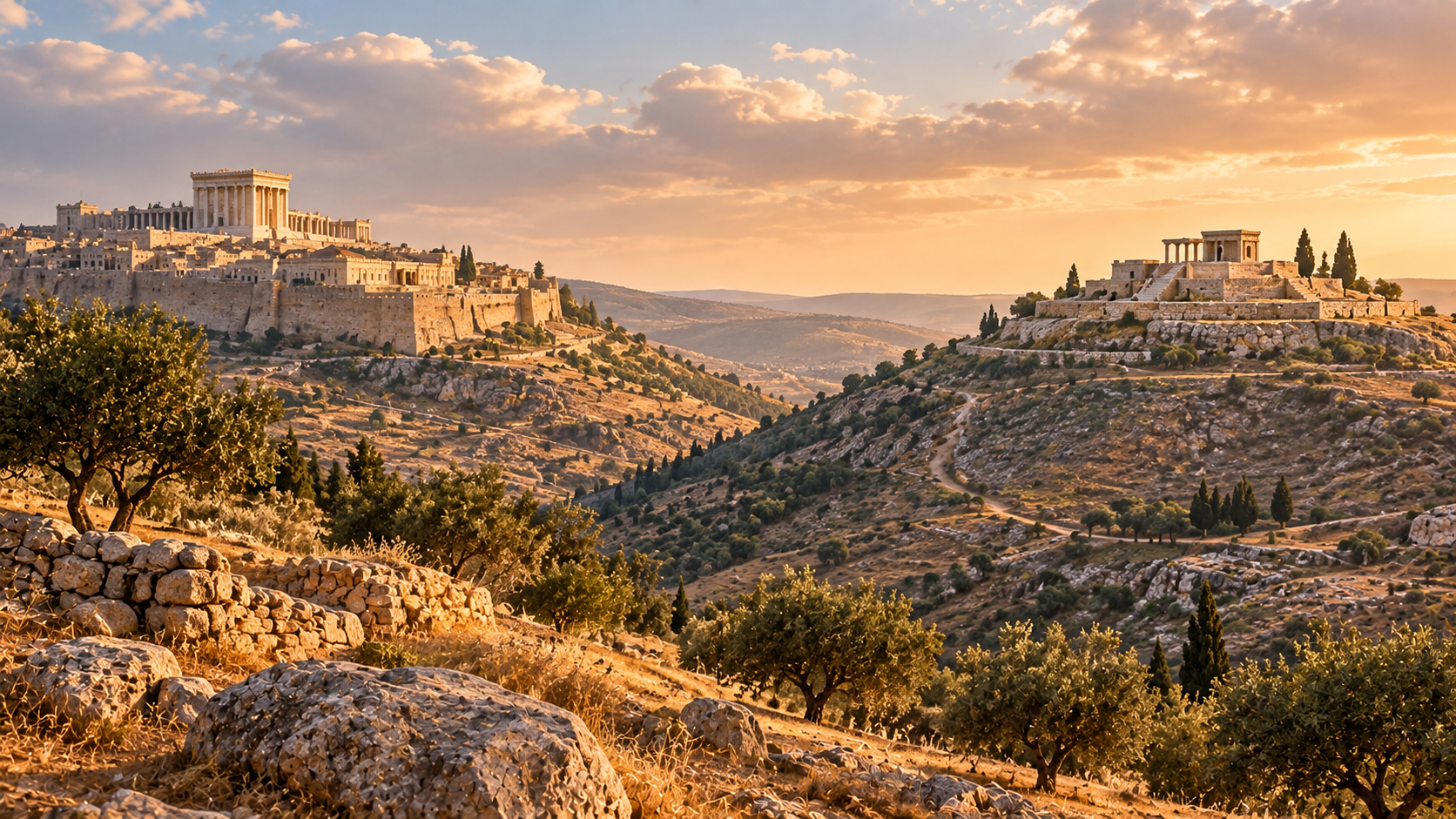
Who Are the Samaritans? The Other Heirs of Ancient Israel
Who are the Samaritans, and how are they related to ancient Israel? Scholar Matt Chalmers explores the Samaritan Torah, Mount Gerizim, the destruction of their sanctuary, and the competing Jewish, Christian, and Samaritan accounts of their origins.
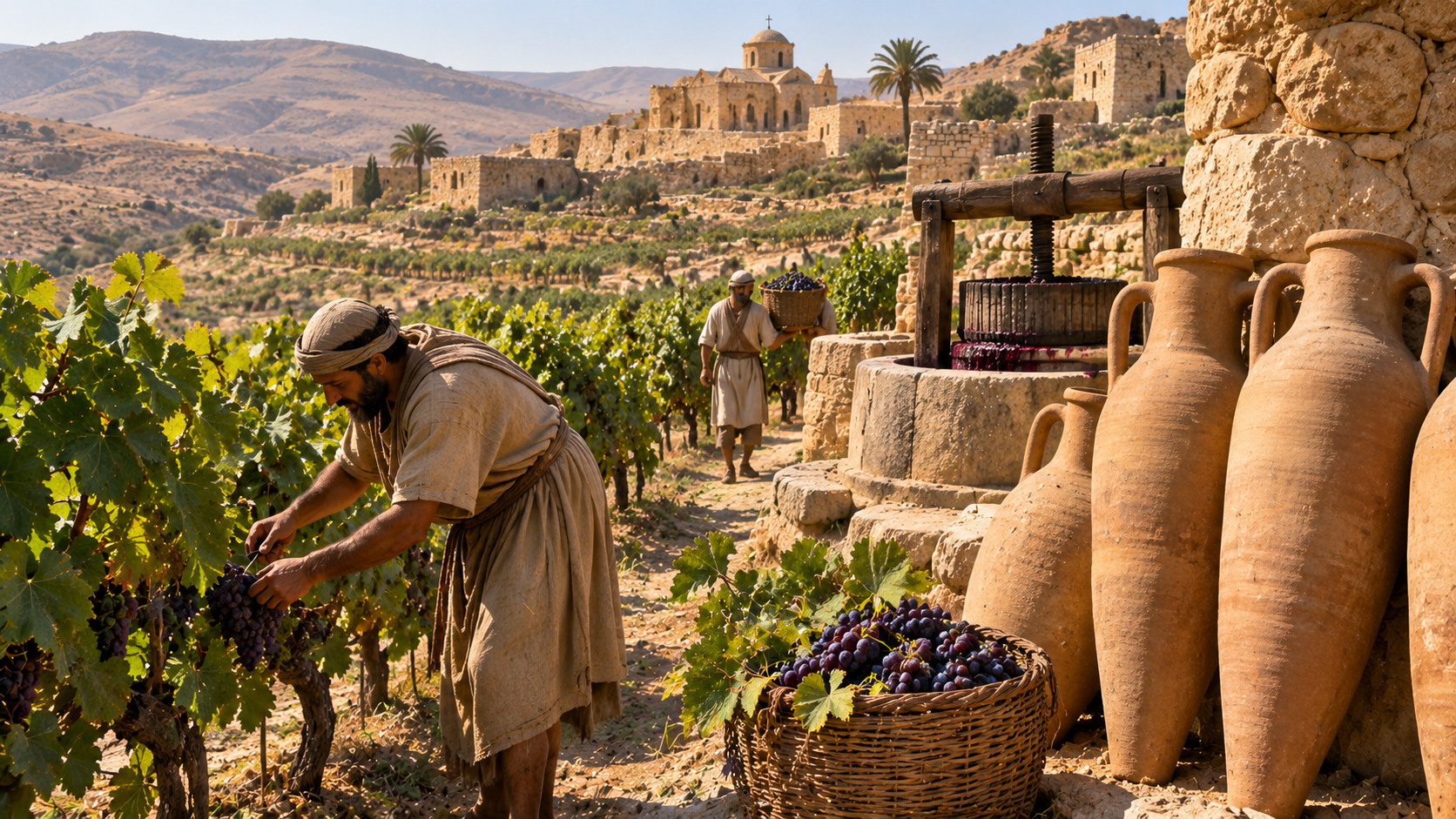
The Collapse of Byzantine Wine Production: Climate Change, Plague, and Ancient Mediterranean Trade
How did a thriving wine industry emerge in the Negev Desert—and why did it collapse? Archaeobotanist Daniel Fuks explains how ancient grape seeds and pottery reveal the rise and fall of Byzantine wine production, and the possible roles of climate disruption, plague, and international trade.

How Ancient Rabbis Reinvented Time: The Jewish Calendar, Sabbath, and God's Daily Schedule
How did ancient rabbis use time to define Jewish identity? Professor Sarit Kattan Gribetz explores the Sabbath, the Roman calendar, Jewish-Christian differences, gendered religious obligations, and the Talmud's remarkable account of how God spends each day.
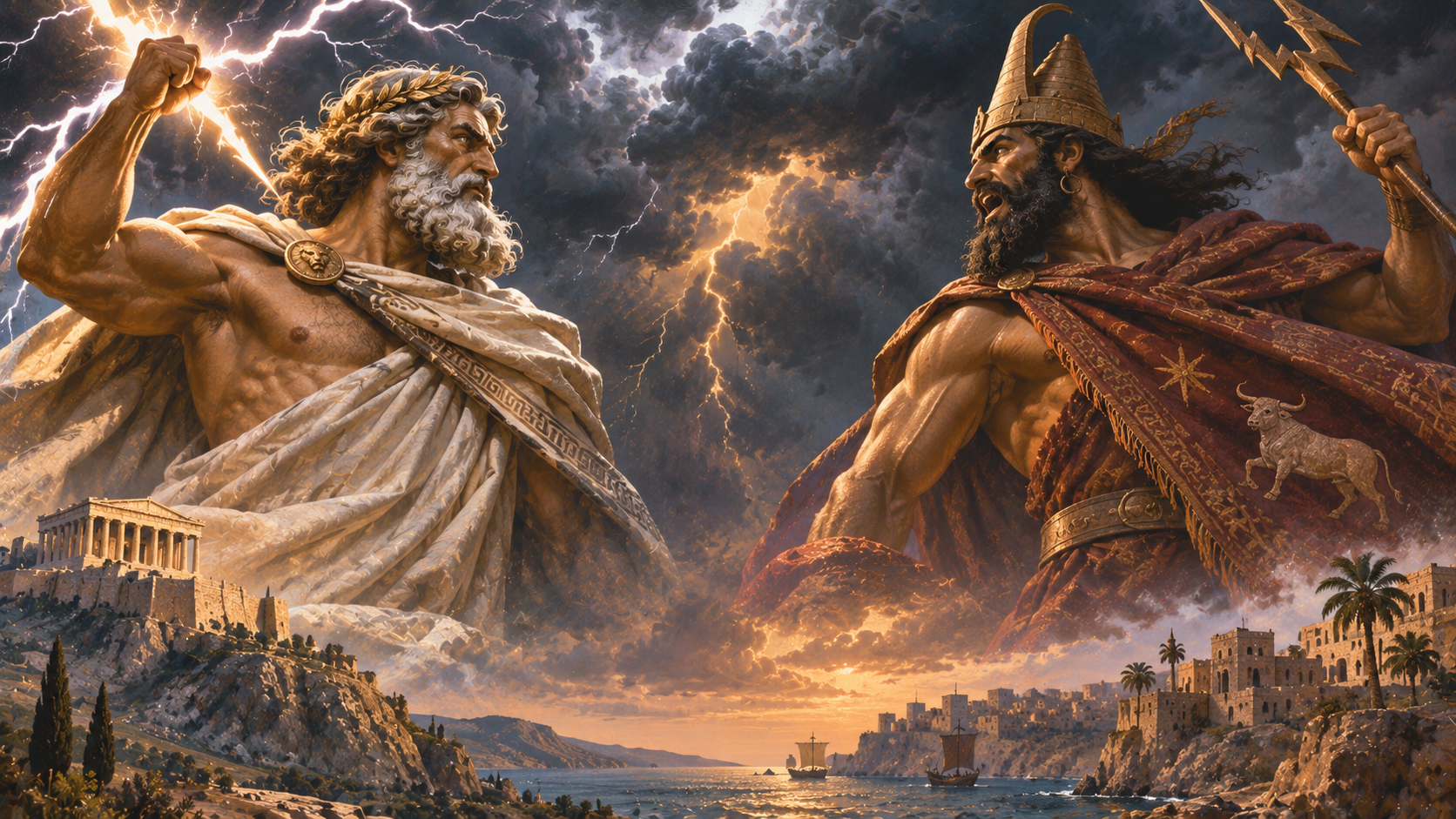
Did Greek Mythology Come from the Phoenicians?
Did Greek mythology develop independently, or was it shaped by the peoples of the ancient Levant? Professor Carolina López-Ruiz explores the connections between Phoenician, Canaanite, and Greek traditions, including the striking parallels between Zeus and Baal, the origins of the gods, and the role of Phoenician cultural exchange.
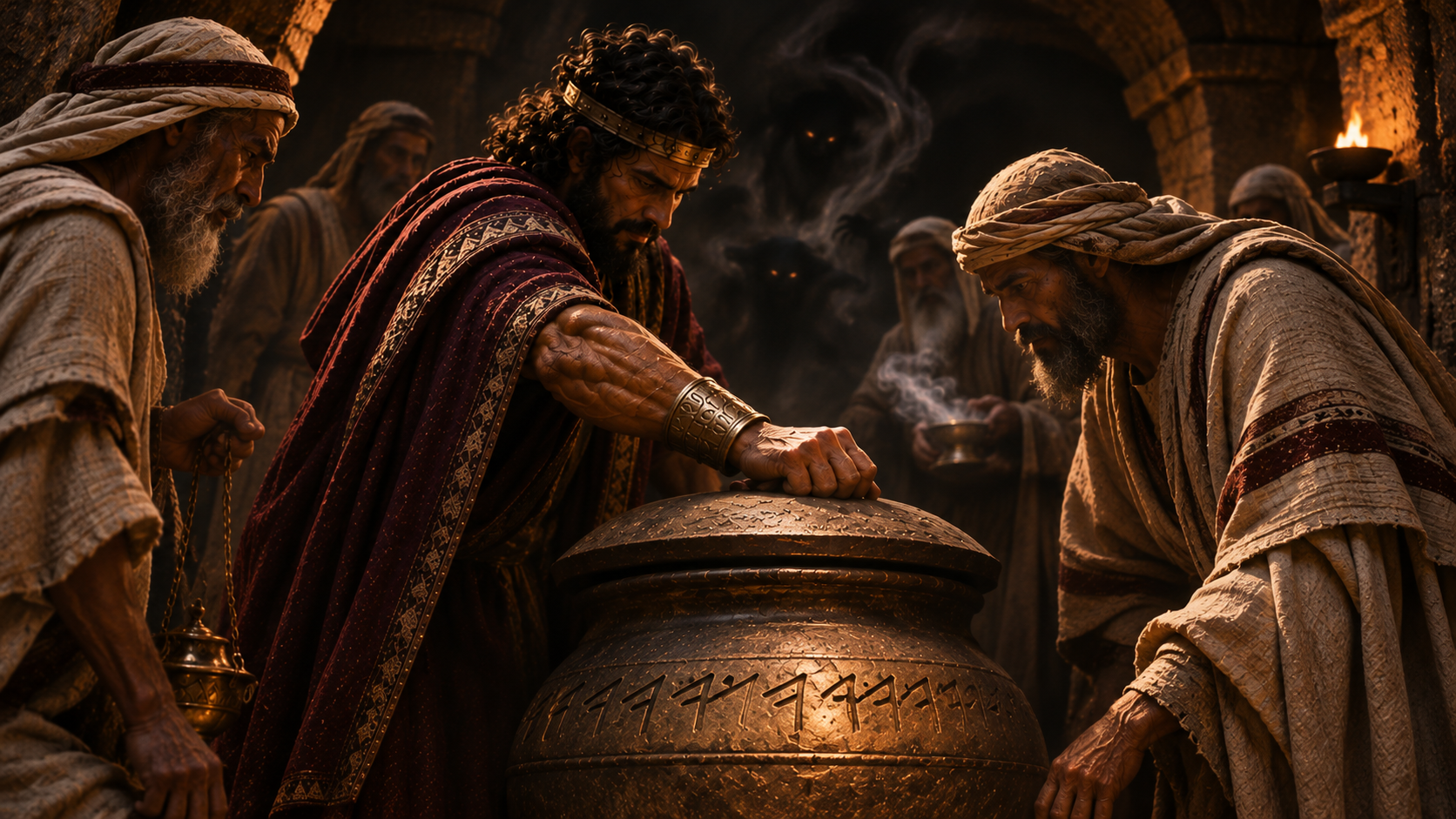
How Ancient Jews Fought Demons with Spells, Bowls, and Amulets
Did ancient Jews believe in demons and practice magic? Professor Gideon Bohak explores Aramaic incantation bowls, protective amulets, angels, demons, and magical manuals in late antique Jewish communities across Babylonia and the Roman world.
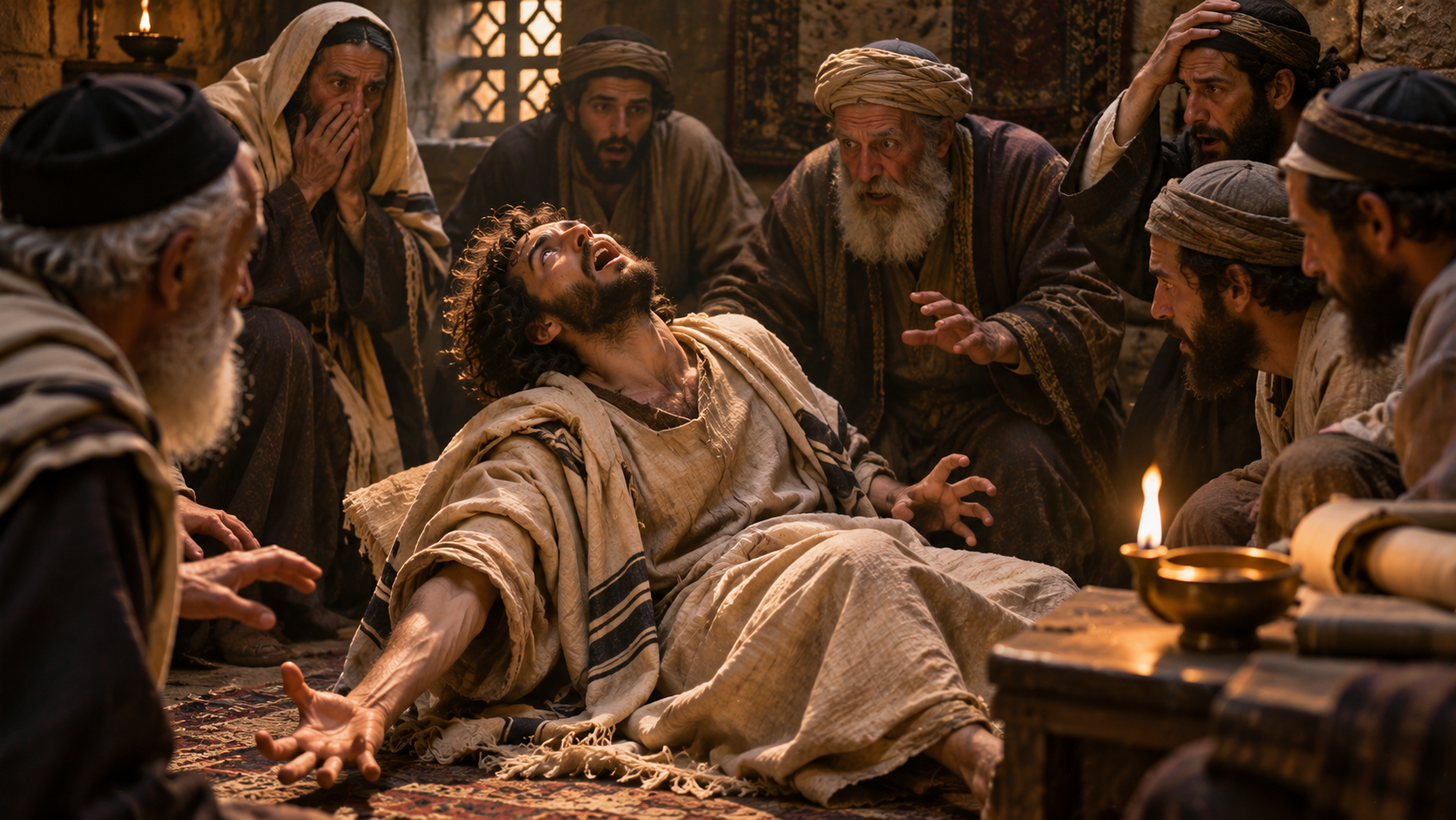
Shabbetai Tzvi: The Jewish Messiah Who Converted to Islam
In 1665, a wave of prophecy convinced Jewish communities across the world that Shabbetai Tzvi was the Messiah. Then he converted to Islam. Historian Matt Goldish explores the extraordinary rise, apparent collapse, and lasting legacy of the Sabbatean movement.
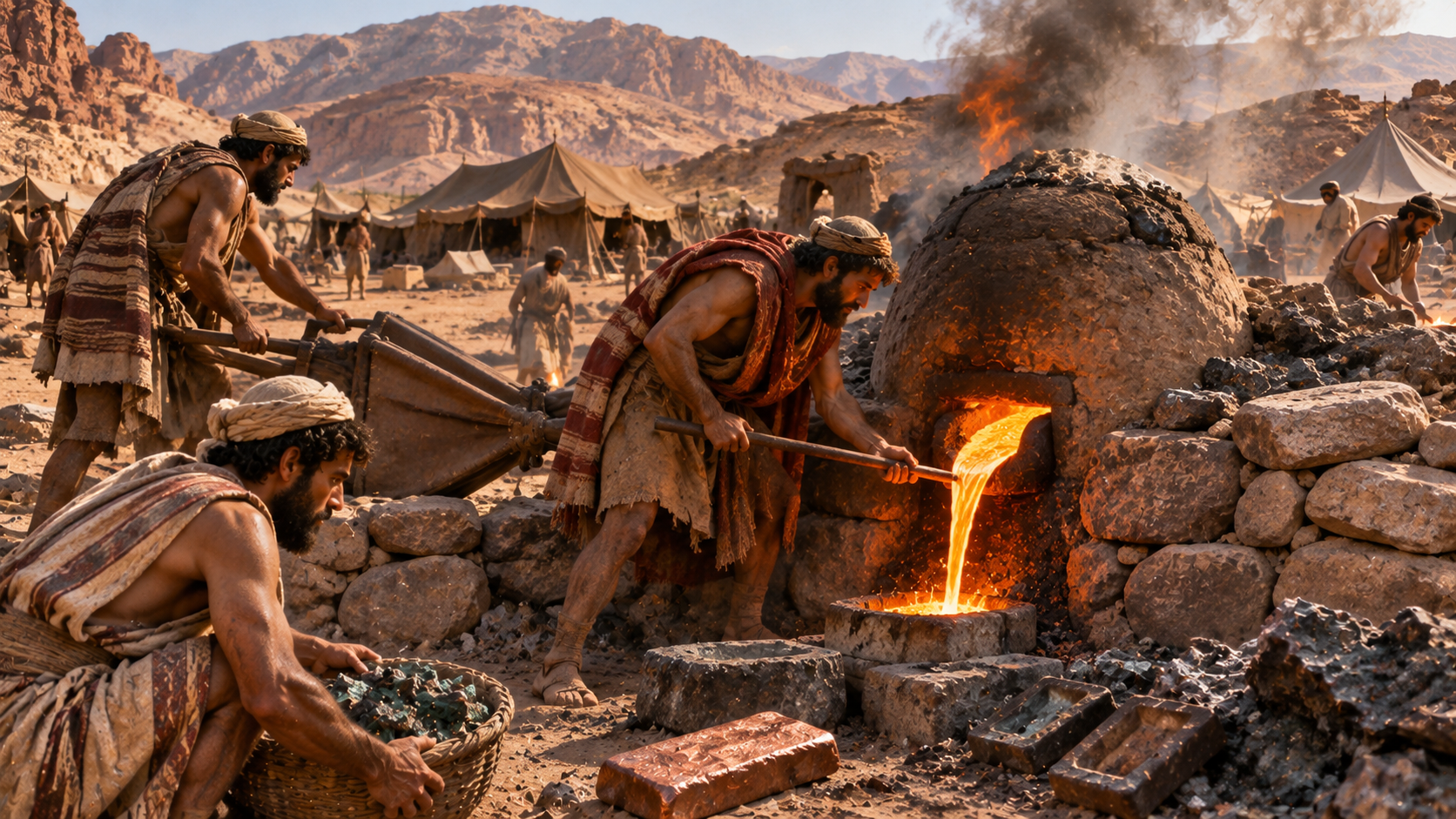
The Copper Mines of Timna: Ancient Edom and the Archaeology of Nomadic Kingdoms
Could powerful kingdoms exist without cities or monumental architecture? Archaeologist Erez Ben-Yosef discusses how discoveries at Timna's ancient copper mines reveal a sophisticated Edomite society—and challenge assumptions about nomads, King Solomon, and the archaeology of biblical Israel.